Research Infrastructure
The research resources at Nicolaus Copernicus University in Toruń include state-of-the-art equipment and specialized scientific infrastructure that support high-level research. These include, among others, the RT-4 radiotelescope, an optical atomic clock, and an MRI scanner. This integrated infrastructure enables the implementation of interdisciplinary and international projects.
Radio telescope RT4
The RT-4 radio telescope is the most important radioastronomy instrument at Nicolaus Copernicus University and is located at the Astronomical Observatory in Piwnice near Toruń. It is a fully automated radio telescope with a dish diameter of 32 meters, and is one of the largest and most advanced instruments of its kind in Central and Eastern Europe.
The radio telescope is part of the international European VLBI Network, which uses the technique of very long baseline interferometry. This technique involves simultaneous observations by multiple radio telescopes located on different continents, allowing for images of cosmic objects to be obtained at a resolution unattainable by a single instrument. As a result, NCU’s infrastructure participates in global research projects on active galaxies, pulsars, interstellar clouds, and star formation processes.
The instrument is equipped with modern radio receivers, low-noise cooling systems, and advanced digital equipment for signal recording and processing. The radio telescope is used both for fundamental research in astronomy and astrophysics, as well as for tasks related to the precise measurement of time and frequency.
Learn more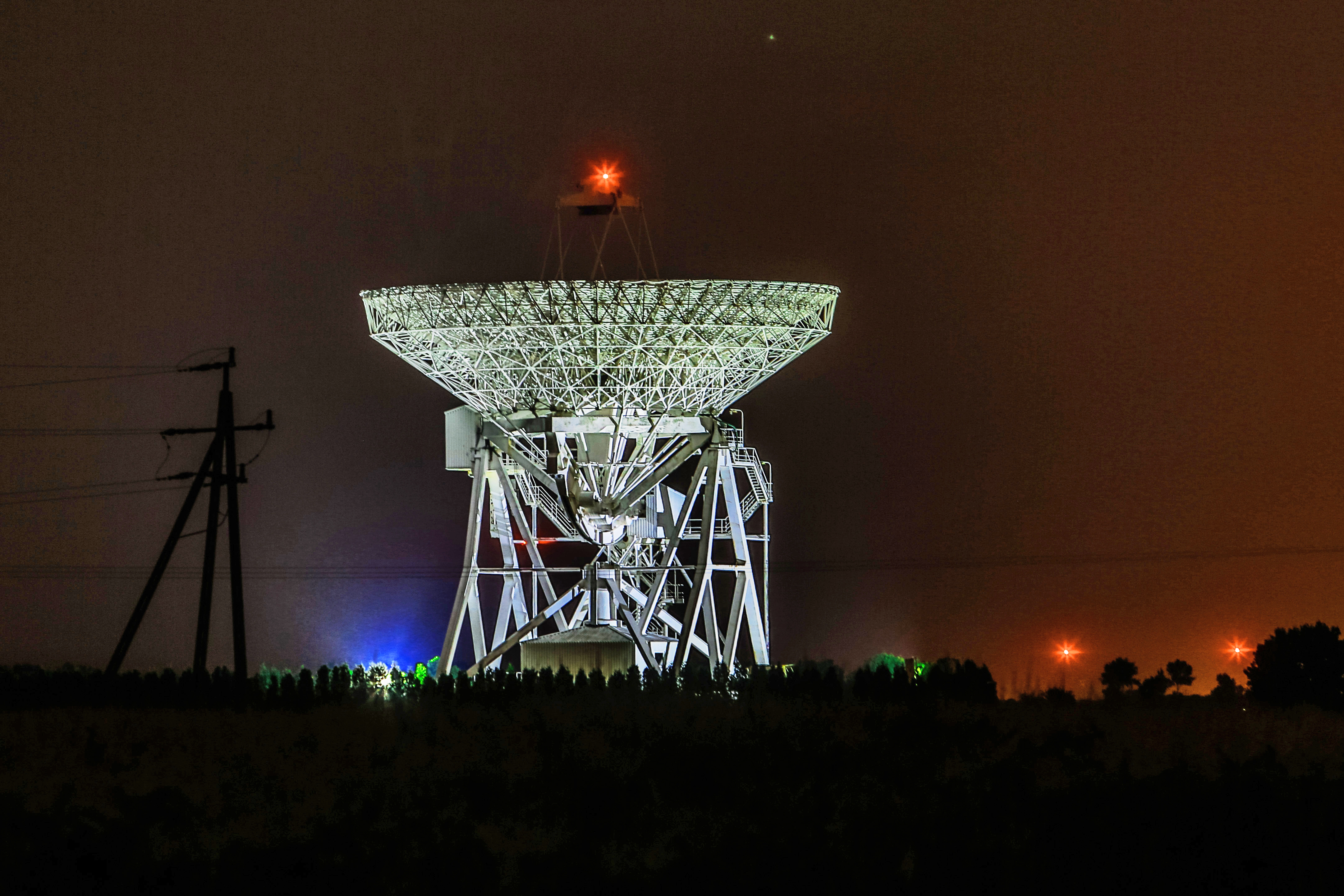
Polish Optical Atomic Clock
The optical atomic clock being developed at the FAMO National Laboratory, which operates within the Institute of Physics at Nicolaus Copernicus University, is among the most accurate measuring instruments in modern science. The laboratory is located in Grudziądzka Street in Toruń and specializes in research in the fields of atomic physics, quantum optics, and time and frequency metrology.
The clock operates by utilizing optical transitions in atoms cooled to temperatures close to absolute zero. Unlike classical cesium clocks operating in the microwave range, optical atomic clocks use laser radiation at a much higher frequency, which allows for time measurement accuracy that is many times greater. The infrastructure includes ultra-stable lasers, vacuum chambers, atomic cooling systems, and advanced electronic systems for controlling and synchronizing measurements.
The device is used for fundamental research into the nature of time, testing the laws of fundamental physics, and creating modern frequency standards. The concept of the Polish Optical Atomic Clock, developed at Nicolaus Copernicus University, also has practical significance for the national metrology system, telecommunications, satellite navigation, and the synchronization of scientific networks. As a result, the laboratory is one of the most important centers for research on precise time measurement in Poland.
Learn more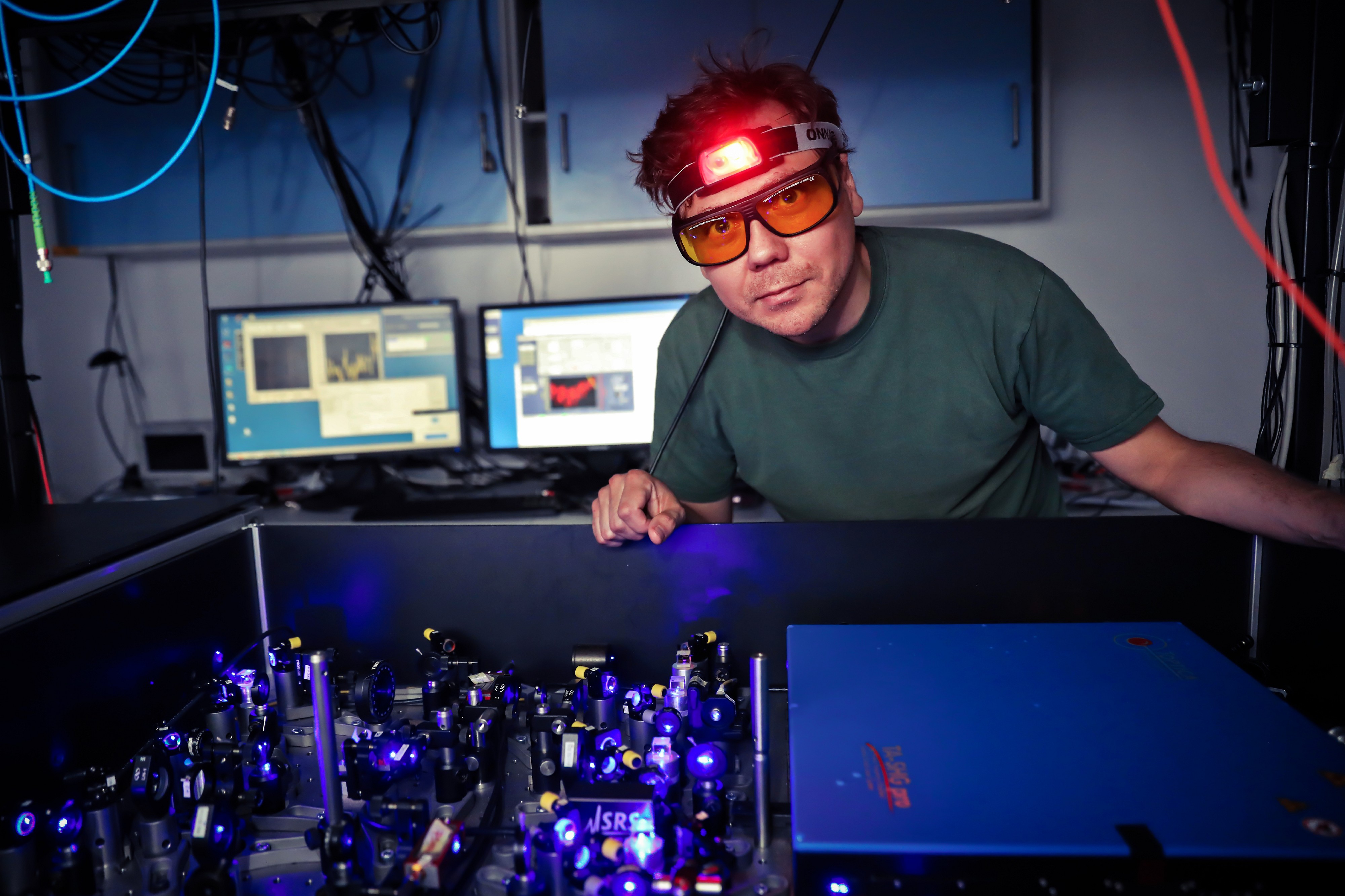
Magnetic Resonance Imaging
The Magnetic Resonance Laboratory, operating within the Interdisciplinary Center for Modern Technologies at Nicolaus Copernicus University, provides state-of-the-art research and diagnostic facilities based on high-field magnetic resonance technology. The key piece of equipment is a 3-tesla (3T) MRI scanner, which enables the acquisition of images with very high spatial resolution and high tissue contrast. This allows for detailed imaging of anatomical structures and the conduct of advanced scientific analyses.
The laboratory’s infrastructure was designed with interdisciplinary applications in mind, combining diagnostic imaging with research in the fields of medicine, biology, neurocognition, psychology, and the technical sciences. In addition to traditional anatomical studies, functional studies (fMRI) are also conducted, allowing for the observation of brain activity through the analysis of changes in blood oxygenation in specific neural regions.
The use of a 3T magnetic field increases the signal-to-noise ratio compared to 1.5T scanners, which results in higher image quality, the ability to use thinner scan slices, and shorter scan times for certain procedures. The system enables a wide range of imaging sequences, including structural imaging, MR angiography, diffusion-weighted imaging (DWI), tractography, and functional imaging.
The facility is used both for conducting scientific projects and for collaborating with medical institutions. Thanks to a combination of state-of-the-art equipment, specialized data analysis software, and academic resources, the center ranks among the most technologically advanced MRI laboratories in the region.
Learn more
Centre for the Research and Conservation of Cultural Heritage
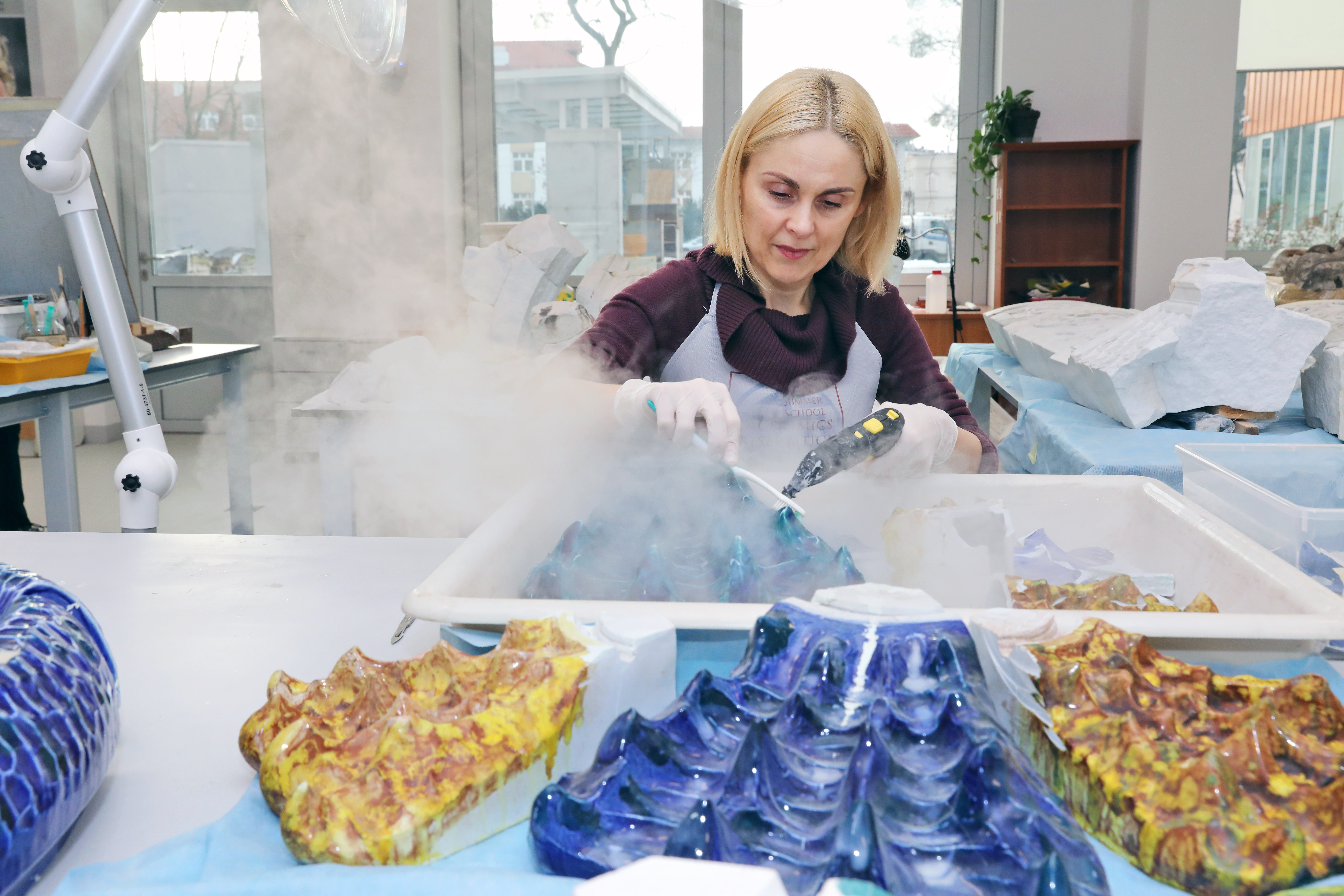
The Nicolaus Copernicus University Center for Research and Conservation of Cultural Heritage is located in Sienkiewicza Street in Toruń and is one of the most modern facilities for research on historical monuments and works of art in Poland. The center began operations in 2023, continuing the long-standing traditions of Toruń’s school of historic preservation. As part of the project, a new building was constructed, equipped with approximately 115 specialized research instruments.
The infrastructure includes five laboratories and two workshops that enable comprehensive analysis of cultural heritage objects. The equipment includes apparatus for physicochemical, microscopic, and imaging analyses, allowing for the examination of material composition, production techniques, and the degree of degradation of historical artifacts. The research covers paintings, sculptures, archaeological artifacts, metal artifacts, manuscripts, photographs, textiles, and historic architectural structures.
The center serves as a research facility for conservators, art historians, archaeologists, and natural science specialists. By combining humanities, technical, and laboratory methods, it enables interdisciplinary research on the protection and preservation of cultural heritage and the conservation of historical artifacts at Polish universities.
Institute of Veterinary Medicine
Opened in 2023, this multi-story building with a usable area of 5,600 square meters is the most modern facility of its kind in Poland. It houses a clinical unit for pigs, cattle, goats, and sheep, as well as a clinic for horses and cattle, an emergency room, and a waiting area for pet owners. On the first floor, there is a small animal clinic equipped with four operating rooms. One floor above are laboratories, classrooms, and seminar rooms.
UMK’s veterinary infrastructure is also located at the Faculty of Biological and Veterinary Sciences. It consists of modern laboratories equipped with apparatus for molecular diagnostics, genetic analysis, testing of pathogenic microorganisms, and monitoring of physiological and pathological processes in animals. This enables research into infectious diseases, veterinary epidemiology, the safety of food of animal origin, and modern therapeutic methods.
The veterinary facilities are used for both scientific research and teaching. Thanks to the integration of analytical laboratories with clinical infrastructure, it is possible to conduct translational research, the results of which can be applied in veterinary practice, animal husbandry, and public health protection.
Learn more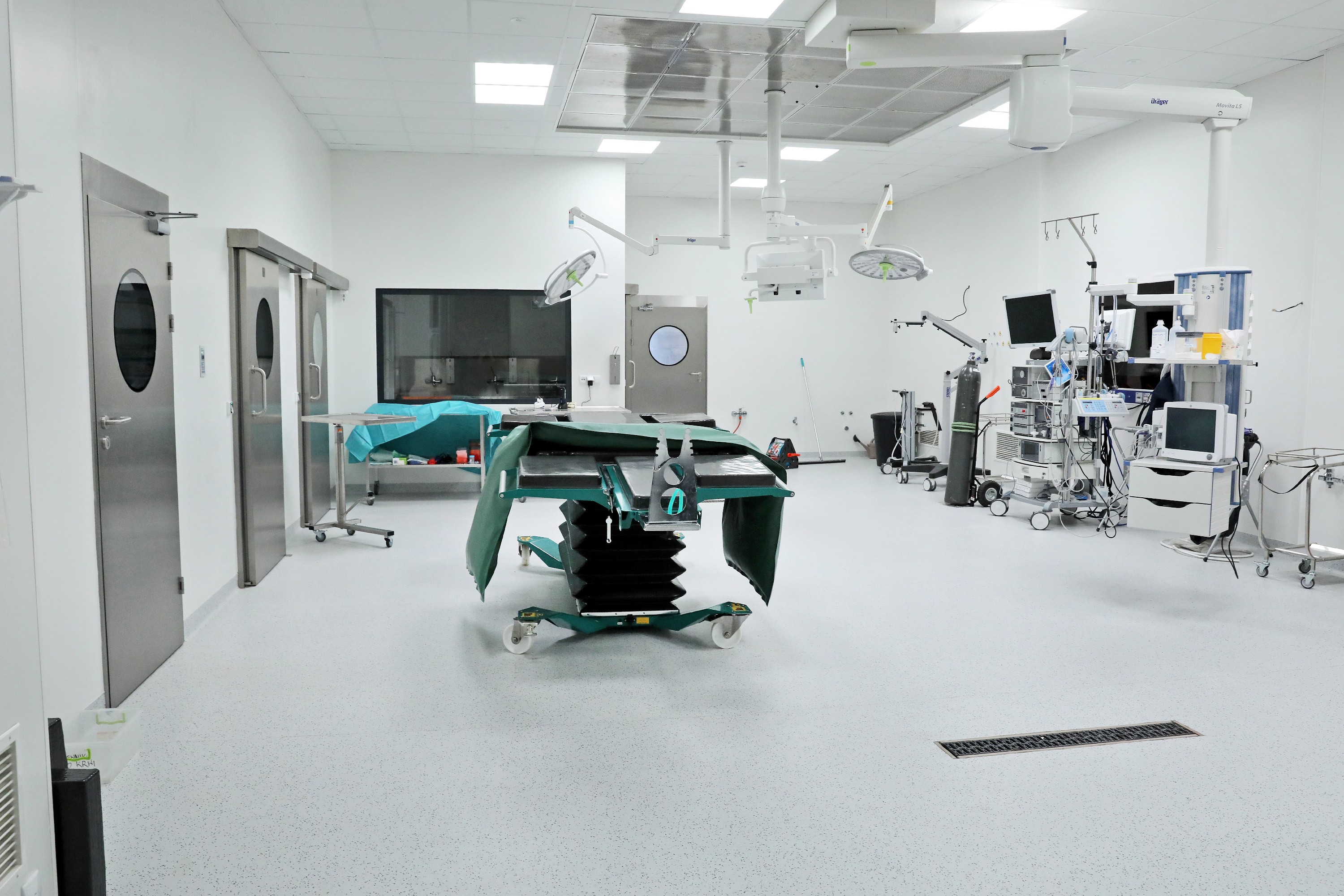
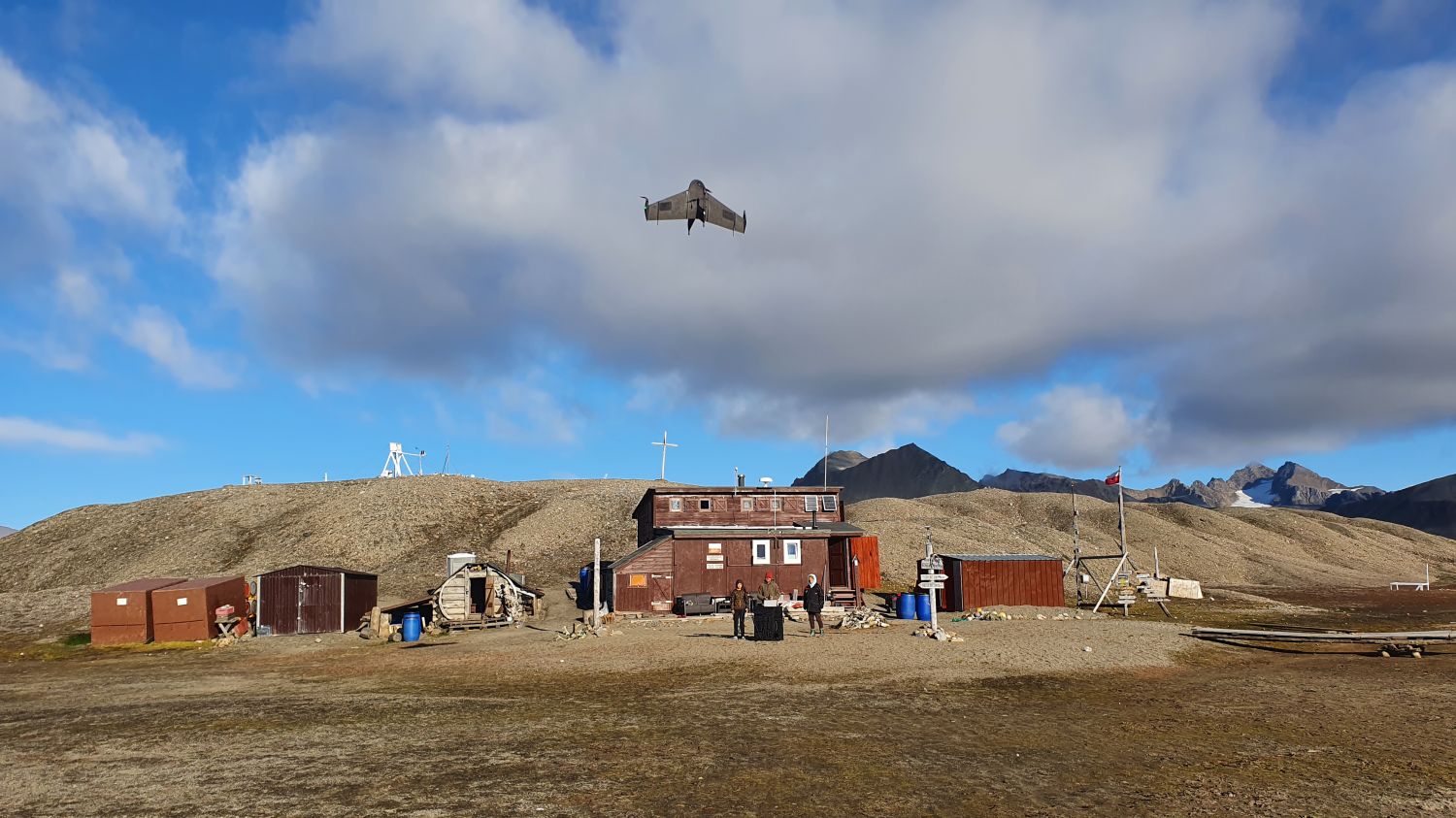
NCU Polar Station on Spitsbergen
This Arctic research base is located on the Kaffiøyra plain in the northwestern part of Spitsbergen, the largest island of the Svalbard archipelago. It is one of the two northernmost Polish research facilities and has served as a base for scientific expeditions organized by Nicolaus Copernicus University since 1975.
The station is situated in the Heggodden area, about 150 meters from the coast, at the foot of the terminal moraines of the Aavatsmarka Glacier. The complex includes living quarters, a laboratory, storage facilities, a workshop, and technical support facilities. It can accommodate about fifteen people at a time.
The station conducts glaciological, hydrological, geomorphological, climatological, and biological research. Among other things, scientists monitor changes in glaciers, permafrost, coastal processes, and meteorological conditions. Of particular importance are the long-term measurement series documenting the impact of climate change on the Arctic environment.
Over half a century of operation, the station has become one of Poland’s most important centers for Arctic research. It also participates in international research programs and scientific infrastructure networks, such as POLARIN, which support research on climate change in the polar regions
Learn more