About
Mission and vision
The Institute's mission is to foster cutting-edge, interdisciplinary research addressing key scientific and societal challenges, while strengthening the international position of Nicolaus Copernicus University in Toruń. IAS@NCU creates conditions for collaboration across disciplines, career stages, and national boundaries, supporting both established and emerging researchers.
IAS@NCU aspires to become a leading European centre of research excellence – a place where outstanding scholars address the most pressing questions of our time. The Institute's vision is of Nicolaus Copernicus University in Toruń recognised globally: a university that attracts talented researchers from around the world.
What we do
The Institute supports research development through three complementary pillars:
Research Programmes and Teams
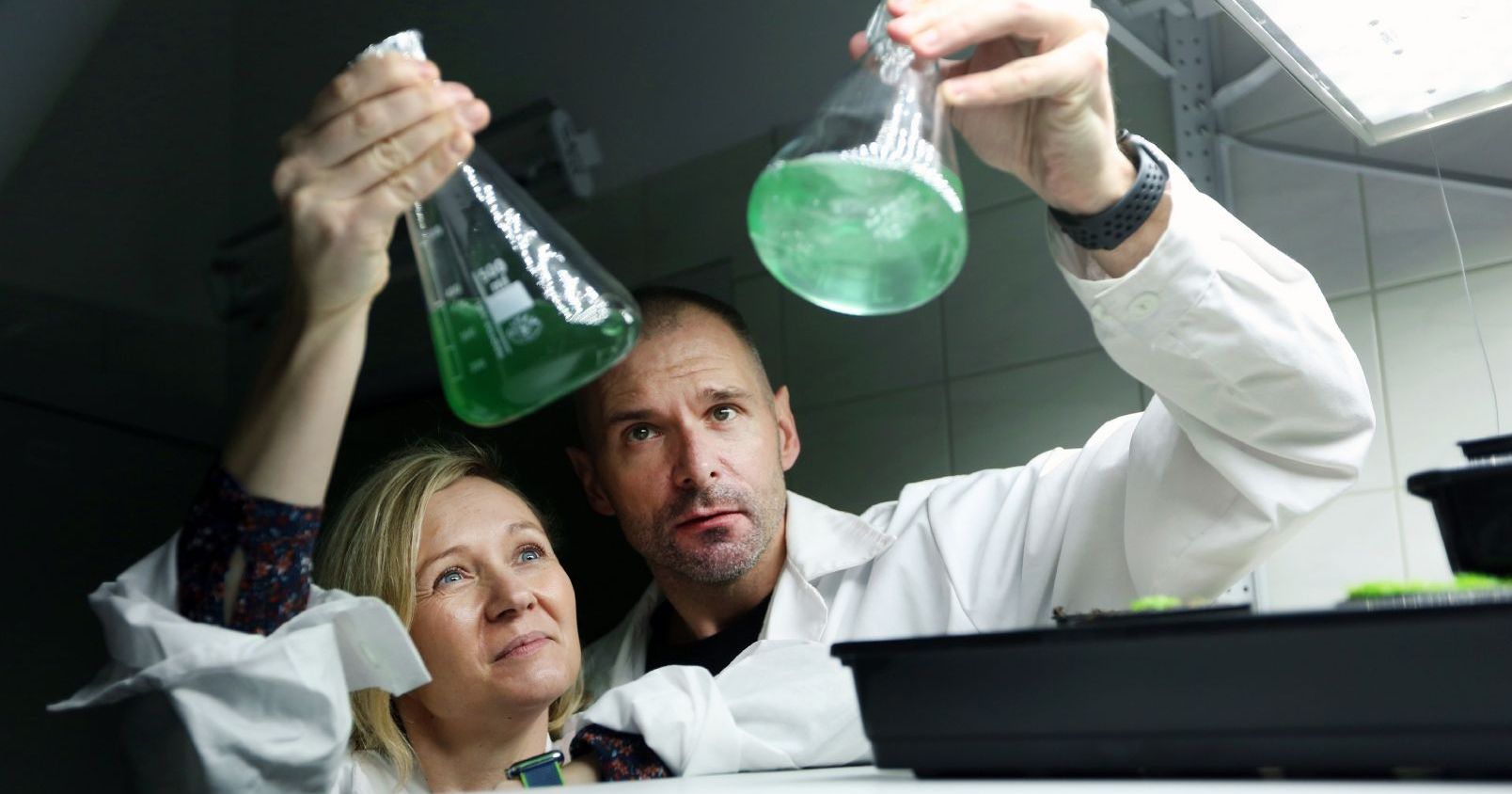
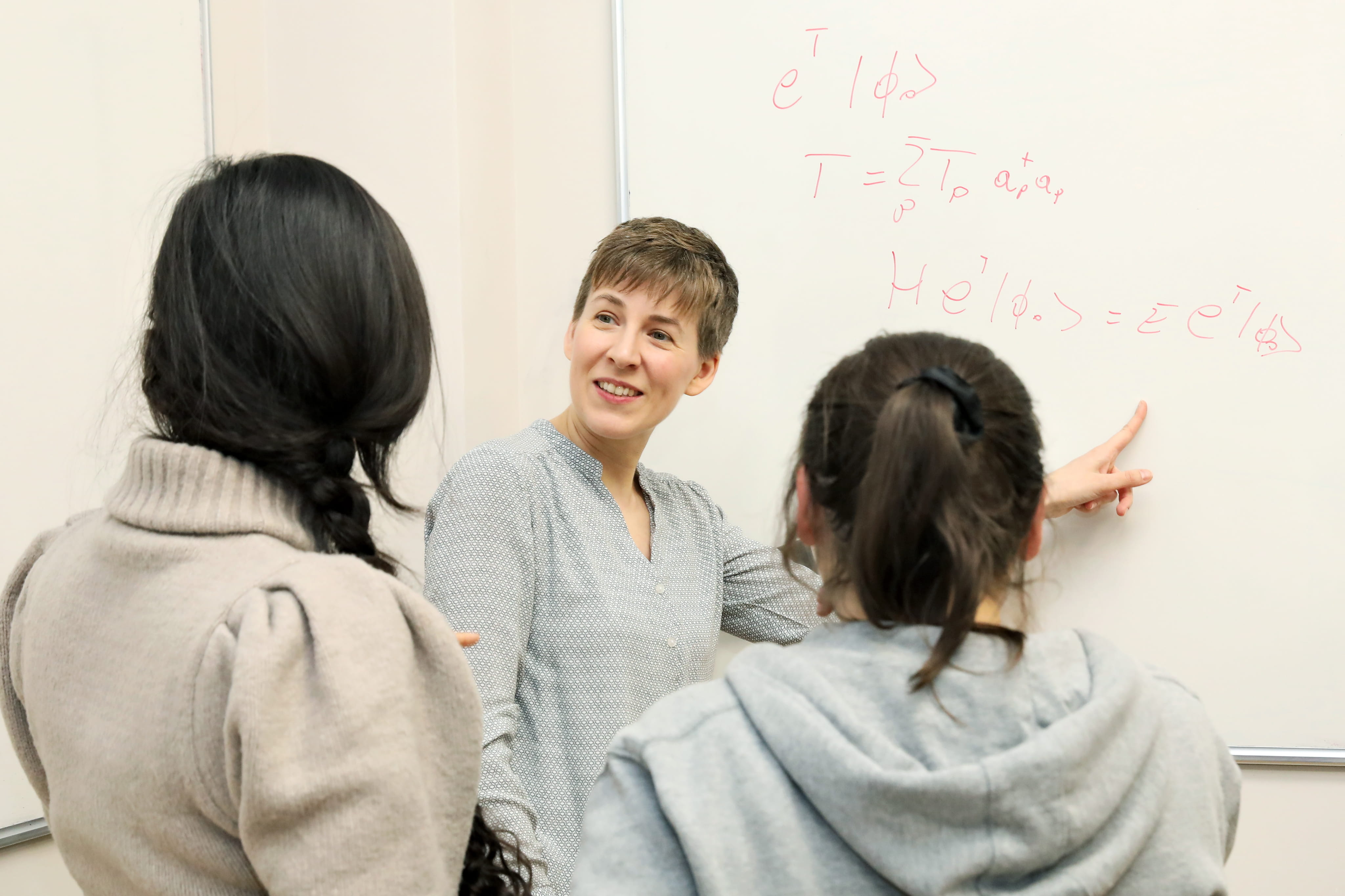
Research programmes and research teams present scientific initiatives developed at the Institute of Advanced Studies at Nicolaus Copernicus University in Toruń. They include programmes, groups and teams focused on shared research topics, projects, methods and areas of expertise. This section also highlights the infrastructural and organisational potential of IAS@NCU. It shows the diversity and interdisciplinary character of the research carried out there.
Talent Development and Fellowships
The Institute supports researchers at different career stages — from early- and mid-career scholars preparing major grant applications, to international fellows visiting NCU for short- and long-term research stays. Through these programmes, IAS@NCU strengthens the University's global research network and intellectual exchange.
Research Infrastructure
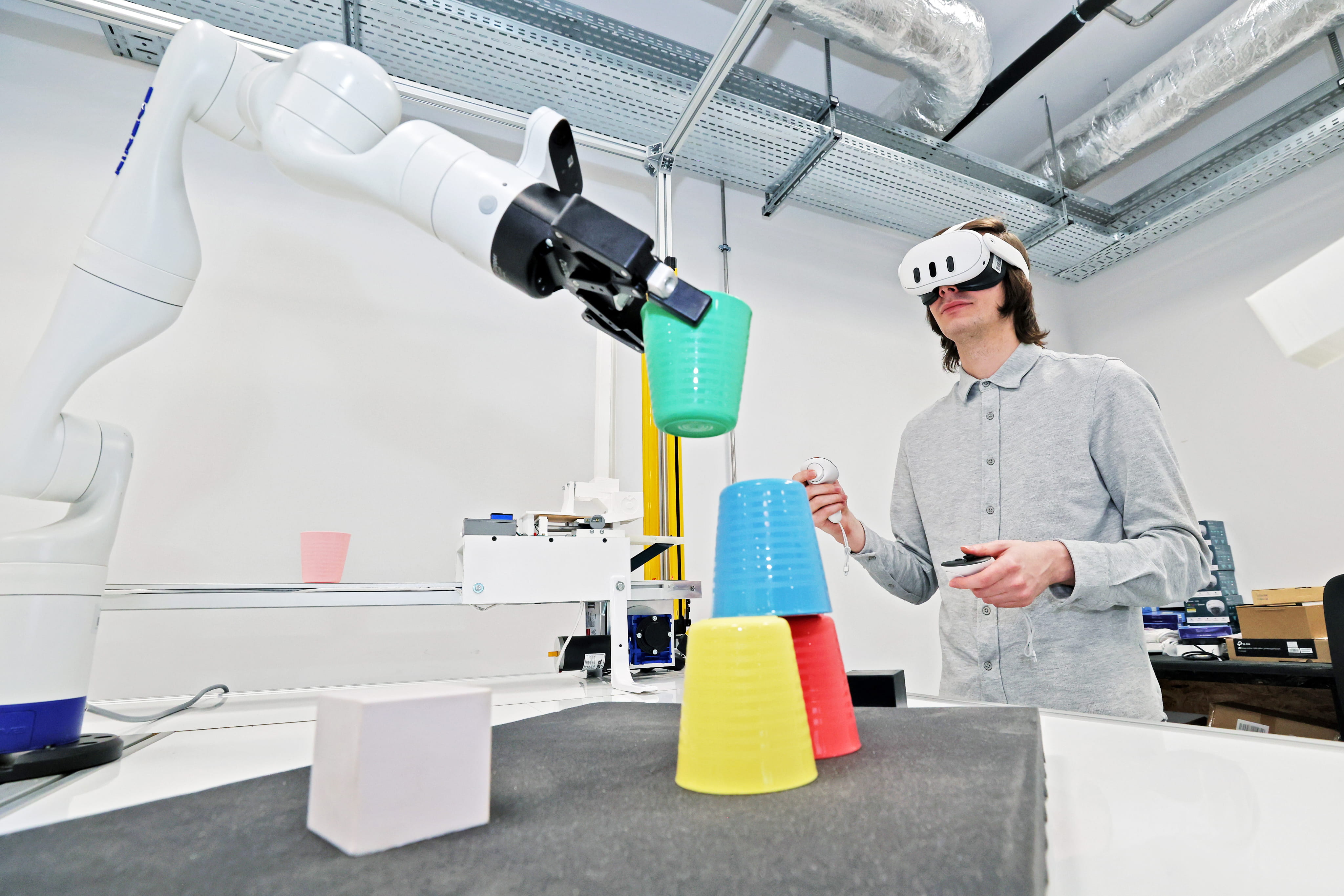
A key component of the Institute is the Centre for Modern Interdisciplinary Technologies (ICNT). ICNT provides access to advanced research equipment and coordinates a system of Core Facilities that integrates infrastructure across the University. This ensures transparency, accessibility, and efficient use of resources, while supporting collaboration with external partners and industry.
Excellence Initiative – Research University
The Excellence Initiative — Research University (IDUB) is a competitive national programme that funds the development of Poland's most distinguished academic institutions. At Nicolaus Copernicus University in Toruń, IDUB provides the strategic and financial framework within which IAS@NCU was established. Through this programme, IAS supports interdisciplinary research teams, talent development initiatives and advanced research infrastructure — concentrating resources where they can have the greatest scientific impact.
IAS@NCU operates within the IDUB programme, which recognises and supports Poland's leading research universities in their pursuit of international excellence.
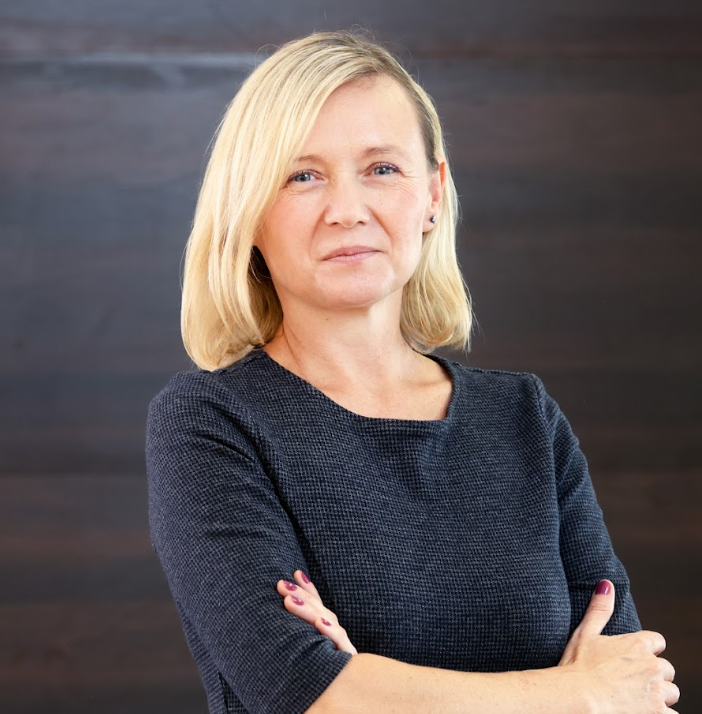
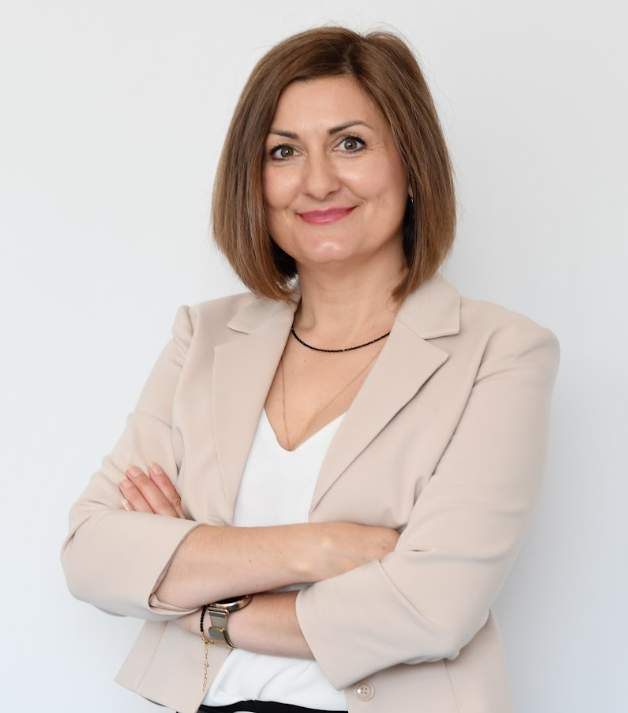
Leadership
Priority Research Areas
IAS@NCU focuses on four strategic research areas, defined according to NCU's scientific potential and global civilisational challenges:
Health and Life Sciences
Research on disease mechanisms, innovative therapies and medical technologies, integrating basic sciences with clinical applications.
Sustainability and Environmental Sciences
Interdisciplinary projects on climate change, ecosystem protection and energy transition, bridging natural, economic and social sciences.
Digital Transformation and Smart Technologies
Research into artificial intelligence, data analysis and new technologies, with a focus on their social, ethical and economic implications.
Cultural Heritage, Identity and Society
Projects exploring the relationship between the past and the present, cultural identities, social transformations and digital humanities.
Projects
A Novel Understanding of Pandemic Disease in Preindustrial Europe (1300-1800): Combining History, Machine Learning and Natural Sciences (EUROpest)
Research area: Paleoclimatology, Archeology, Epidemiology, History, Biology, Ecology
Dates: 2025-2031
The Challenge
Epidemics emerge from complex interactions between climate, ecology, society, and history. Understanding these dynamics is essential for improving how future pandemics are anticipated and managed. The EUROpest project, funded by ERC (European Research Council), examines how these factors shaped disease outbreaks in Late Medieval and Early Modern Europe.
Our Approach
Combining historical records, archaeology, genetics, climate science, and machine learning, the project investigates regional outbreaks of plague and other diseases across Europe to comprehend why they spread and how they affected communities. Building on resilience and actor-network theories, EUROpest utilizes an eco-bio-social framework that explains disease transmission and impacts through multiple interacting causes. EUROpest will carry out regional case studies – from Spain to Lithuania, Greece to England – to understand how context both facilitated outbreaks and also shaped them, and their short- and medium-term impacts.
Expected Impact
The project will develop and test a general model of epidemic dynamics that explains how environmental, biological, and social factors interact during disease outbreaks. Its findings will improve understanding of historical epidemics, support the creation of more realistic pandemic scenarios, and provide policymakers with stronger evidence for designing targeted and effective responses to future public health crises.
Project leader: Prof. Adam Izdebski
Bio
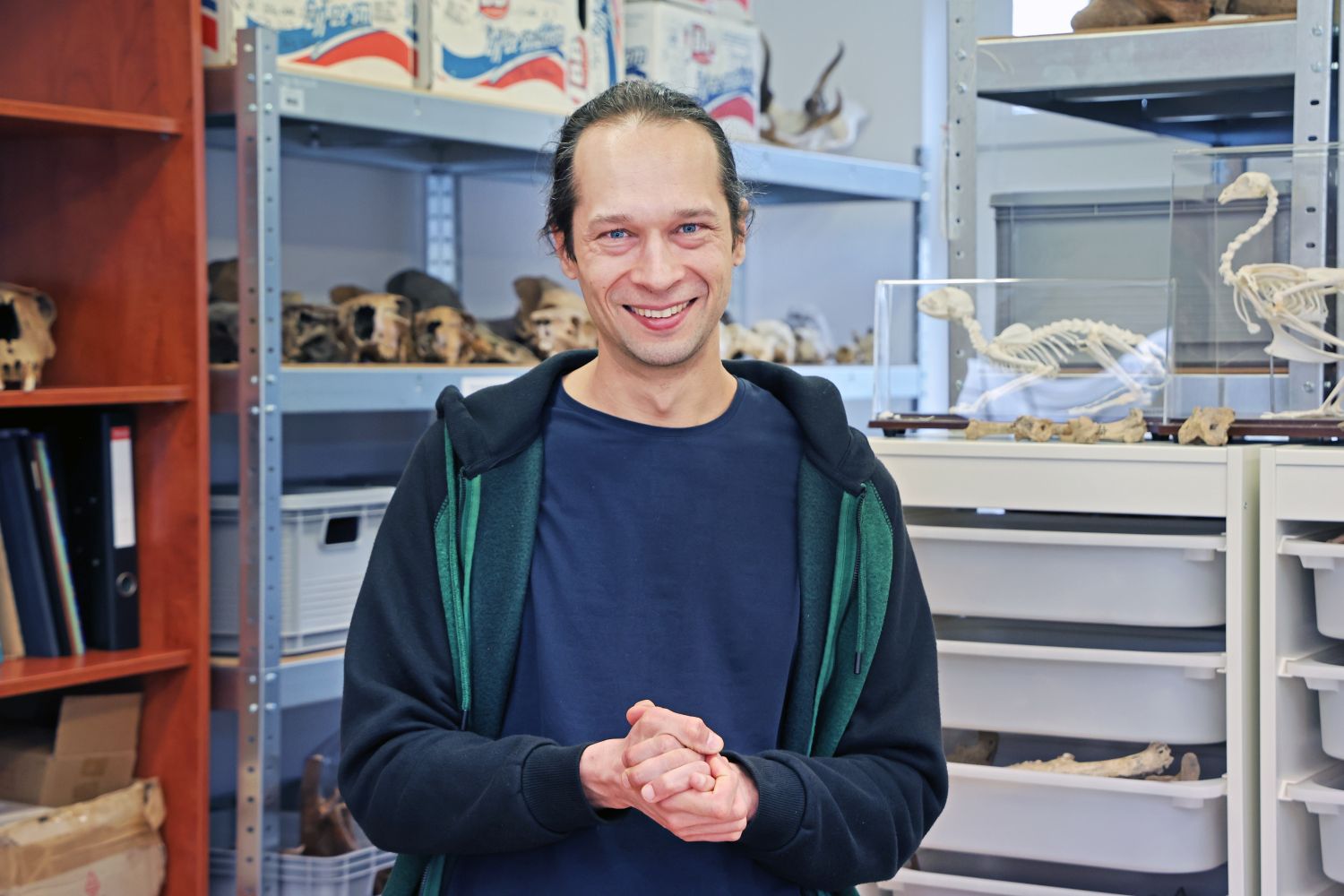
Adam Izdebski is an interdisciplinary historian and Professor of Human Ecology at Nicolaus Copernicus University in Toruń, Poland. He serves as the corresponding Principal Investigator of the ERC Synergy Grant EUROpest. Between 2018 and 2025, he led an independent environmental history research group at the Max Planck Institute of Geoanthropology (formerly the Max Planck Institute for the Science of Human History) in Jena, Germany. His research explores the relationships between climate change, pandemics, biodiversity, economic development, and ecological processes during the Late Holocene. In addition to his academic work, he has contributed to several science-policy initiatives and now serves as Chair of the Group of Chief Scientific Advisors to the European Commission.
Understanding System Collapse: crisis and recovery in the social-ecological systems of premodern Brandenburg and Greater Poland (CriSES)
Research area: Paleoclimatology, Paleoecology, History
Dates: 2025-2027
The Challenge
Why did some societies succeed and survive for hundreds of years, while others became examples of decline? Why did the Polish-Lithuanian Commonwealth collapse while France overcame similar crises and emerged as a strong modern state? Finding answers to such questions requires examining multiple interacting crises rather than a single event, including political instability, institutional weaknesses, environmental change, epidemics, warfare, and economic disruption.
Our Approach
The project uses a holistic and interdisciplinary framework that combines demographic, economic, climatological, and ecological perspectives. Focusing on Brandenburg and Greater Poland between 1200 and 1800 CE, it aims to analyze population dynamics, economic activity, and human impacts on landscapes. By integrating historical, palaeoclimatic, and palaeoecological evidence, the researchers study both the causes of crises and the mechanisms that prolonged them or enabled recovery.
Expected Impact
The project advances historical research by moving beyond its current state, which has so far concentrated on simple models of crisis understood as total collapse, almost never taking into account palaeoclimatic and palaeoecological data. Through Polish-German collaboration, it provides a deeper understanding of how societies respond to complex crises and identifies the conditions that support long-term recovery, adaptation, and state stability. The German team is based at Mainz and led by Professors Jan Esper and Juerg Luterbacher.
Project leader: Prof. Adam Izdebski
Bio
Adam Izdebski is an interdisciplinary historian and Professor of Human Ecology at Nicolaus Copernicus University in Toruń, Poland. He serves as the corresponding Principal Investigator of the ERC Synergy Grant EUROpest. Between 2018 and 2025, he led an independent environmental history research group at the Max Planck Institute of Geoanthropology (formerly the Max Planck Institute for the Science of Human History) in Jena, Germany. His research explores the relationships between climate change, pandemics, biodiversity, economic development, and ecological processes during the Late Holocene. In addition to his academic work, he has contributed to several science-policy initiatives and now serves as Chair of the Group of Chief Scientific Advisors to the European Commission.
Extreme conditions for star formation in local low metallicity environments
Research areas: astrophysics, astrochemistry, astrobiology
Dates: 2025-2030
The Challenge
The formation of stars occurs in clouds of dust and molecular gas which constitute the coldest and densest part of the interstellar medium in galaxies. Due to gravitational collapse, molecular clouds become fragmented, and smaller substructures, called clumps and cores, begin forming. These clumps and cores are the birthplaces of stars and stellar clusters - every year several stars, usually smaller than the Earth's Sun, are born. The environment in which the stars are born, especially its physical and chemical properties, is key to how these stars form.
In astronomy, metallicity is the measure of the percentage of elements heavier than hydrogen and helium present in the gas. In our Galaxy, as the distance from the Galactic centre increases, metallicity decreases. Thus, the molecular clouds in the outer Galaxy provide an opportunity to study star formation - these clouds are similar to those in other galaxies, but are much closer. This project, funded by the Polish National Science Centre (NCN), wants to study how stars are born, based on the molecular clouds in the outer Galaxy, where metallicity is low, similarly to earlier stages of evolution.
Our Approach
The project will utilise observation collected by two submillimeter telescopes located in the Atacama desert in Chile: the 12m Atacama Pathfinder Experiment telescope (APEX) and the 6m CCAT Fred Young Submillimeter telescope (FYST). Through the study of the emission from molecules and atoms present in molecular clouds, the research group will constrain the chemical composition, as well as the physical conditions and processes taking place in the birthplace of stars.
Expected Impact
The project will provide a comprehensive picture of star formation in low-metallicity environments and improve models linking small-scale physical and chemical processes to galaxy-scale star formation. Moreover, the project aims to detect a significant amount of atomic/ionic gas, often called "CO-dark gas", which is a result of the destruction of molecules due to UV radiation. The research will also characterise ultraviolet radiation and cosmic rays to understand their impact on star formation in the outer Galaxy, which will guide further research into other galaxies.
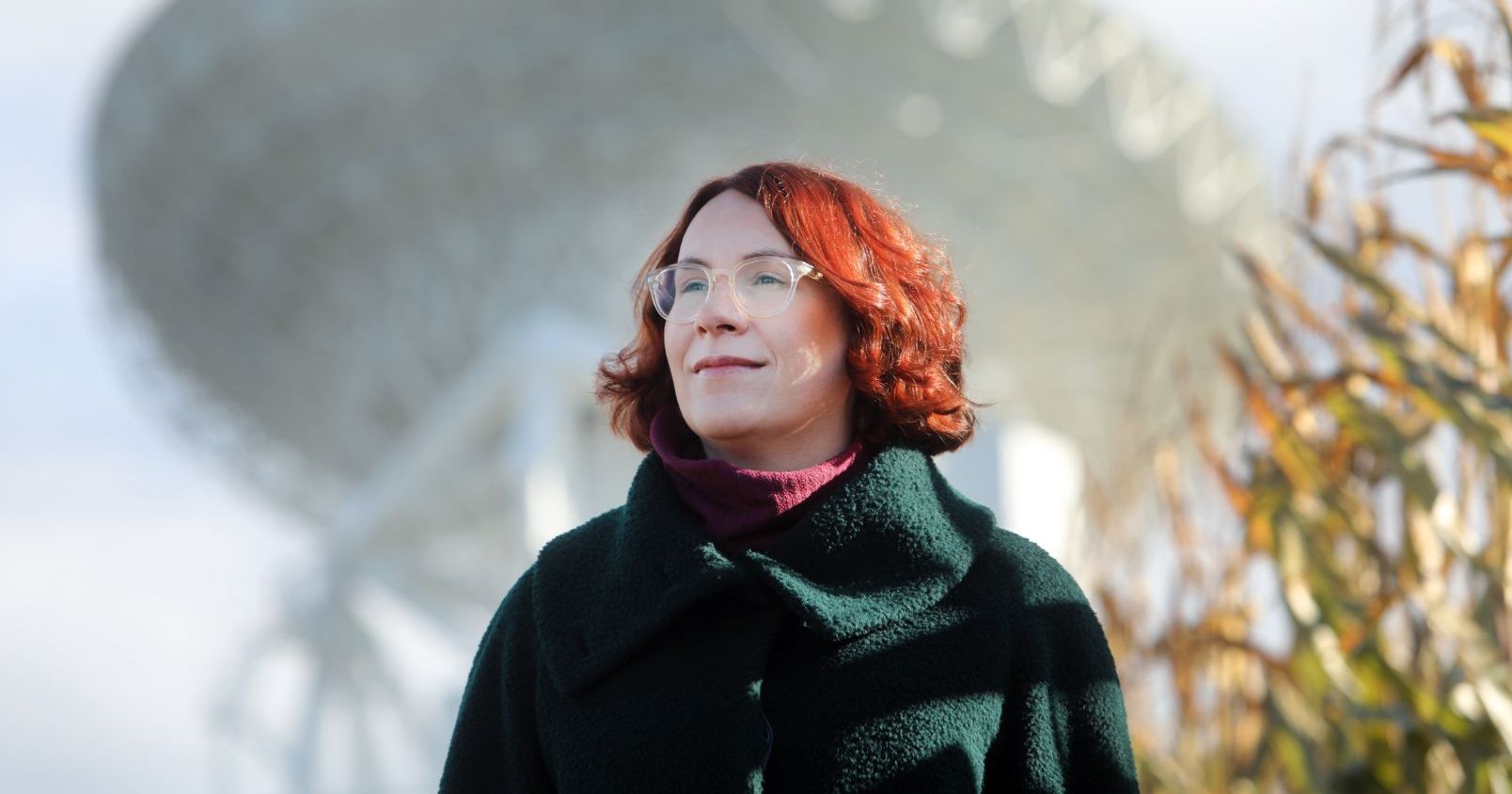
Project leader: Dr. Agata Karska
Bio
Agata Karska is a lecturer at the IAS@NCU. She completed her doctoral studies at the International Max Planck Research School in Garching near Munich and defended her doctoral thesis at the University of Leiden in 2014. Moreover, Agata is the leader of the research group MA-LAB (Molecular Astrophysics Lab) at the IAS. Dr. Karska is also the Deputy Rector for Rankings at the NCU, which emphasises her experience in international cooperation, excellent knowledge of the specifics and methodology of academic rankings, as well as her competence in effectively supporting the process of building the NCU's position and reputation.
Development of a prototype formula for a next-generation cosmetic with regenerative, immunomodulatory, and antibacterial properties (ImmunoCosmetic)
Research areas: biotechnology, chemistry, dermatology
Dates: 2025-2028
The Challenge
Atopic dermatitis (AD) affects a significant number of people worldwide – up to 20% of children and 2-10% of adults. In Poland, about 0.6-1.1 million people suffer from it. Currently offered remedies, such as corticosteroids or immunosuppresants, may pose significant health risks for patients, including cancer and being more prone to infections. The ImmunoComsetic project, funded by the National Centre for Research and Development (NCBR), aims to develop an innovative cosmetic product intended for skin affected by atopic dermatitis. The formulation is designed to provide soothing, regenerative, and immunomodulatory support, with the goal of reducing discomfort and helping to decrease the need for more intensive therapeutic interventions.
Our Approach
The cosmetic developed by the research team will include lactoferrin (LTF) and its peptides, which work together to promote wound healing, and provide antibacterial & soothing properties. LTF and its peptides are key ingredients, which have been discovered to be specifically useful in treating atopic skin. Moreover, LTF will be utilised with lecthins, which will stabilise the formula and help in penetrating the skin barrier to increase the effectiveness of the cosmetics. These ingredients are naturally sourced, promoting both ecological consumption and sustainable development of cosmetics. The project will also utilise novel models and technologies, such as 3D skin models used for testing the formulas, which foregoes animal testing.
Expected Impact
The cosmetic developed by the research team will include lactoferrin (LTF) and its peptides, which work together to promote wound healing, and provide antibacterial & soothing properties. LTF and its peptides are key ingredients, which have been discovered to be specifically useful in treating atopic skin. Moreover, LTF will be utilised with lecthins, which will stabilise the formula and help in penetrating the skin barrier to increase the effectiveness of the cosmetics. These ingredients are naturally sourced, promoting both ecological consumption and sustainable development of cosmetics. The project will also utilise novel models and technologies, such as 3D skin models used for testing the formulas, which foregoes animal testing.
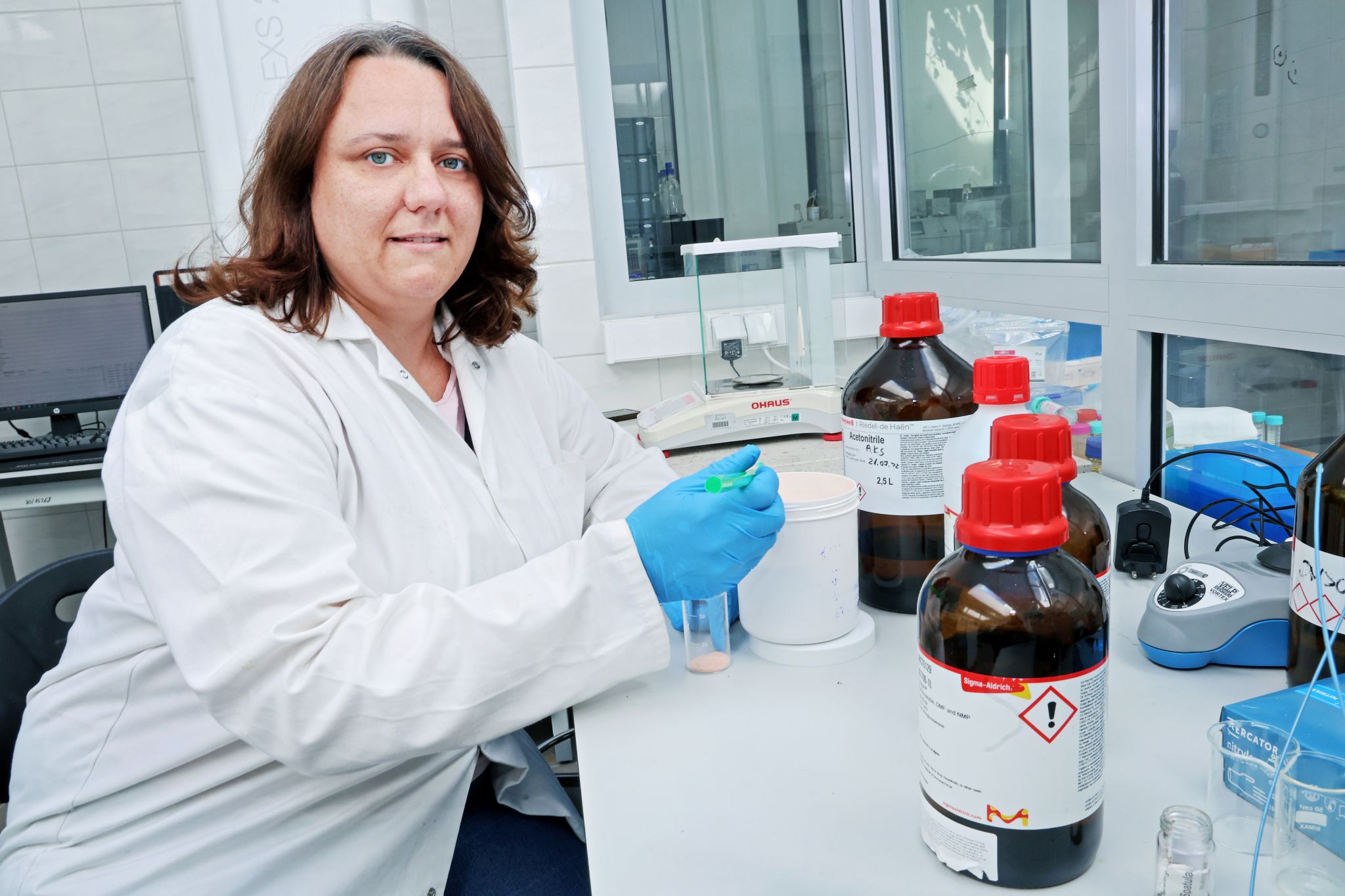
Project leader: Dr. Oleksandra Pryshchepa
Bio: Oleksandra Pryshchepa is an experienced researcher, holding a PhD from Nicolaus Copernicus University in Exact and Natural Sciences. Her PhD thesis focused on investigating molecular mechanisms of metal-protein binding, contributing to a deeper understanding of bioinorganic interactions. Moreover, Oleksandra holds dual Master’s degrees in chemistry from the National University of Kyiv-Mohyla and Cosmetic Chemistry from the NCU. Dr. Pryshchepa’s academic foundation allows her to bridge applied biochemistry with academic research, as well as pharmaceuticals.
Having been involved in numerous research projects, Oleksandra has developed strong expertise in proteomic studies, including MALDI-TOF MS, gel electrophoresis, and chromatography, as well as microbiological analyses, including PCR and sequencing.
General Contact
ul. Wileńska 4, 87-100 Toruń
phone: +48 56 665 60 01
e-mail: ias@umk.pl