

History of Nicolaus Copernicus University
Establishment of Nicolaus Copernicus University
The initiative to establish a university in Toruń emerged as early as February 1945, just a few days after the city had been liberated from German occupation. It was proposed by Dr Henryk Świątkowski, a government delegate and later Governor of Pomerania, and quickly gained broad public support. Among the key arguments for founding the university were the repolonization of territories previously subjected to intensive Germanization, as well as compensation for the losses suffered by Polish culture and science following the closure of the universities in Vilnius and Lviv.
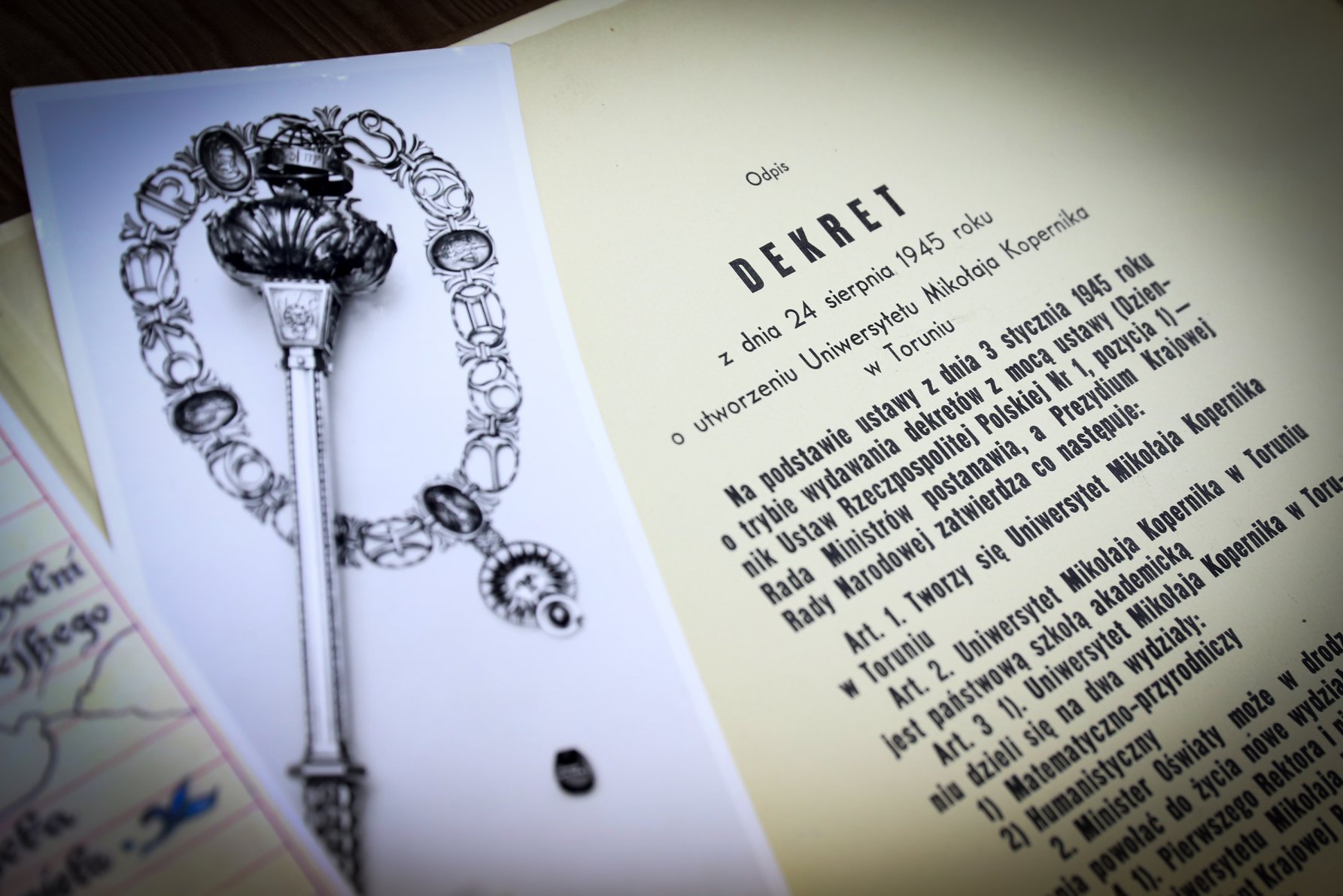
The aforementioned decree established a university initially consisting of two faculties: the Faculty of Humanities and the Faculty of Mathematics and Natural Sciences, soon expanded by the Faculty of Law and Economics and the Faculty of Fine Arts. The first Rector of the University was Professor Ludwik Kolankowski.
Despite enormous material, infrastructural, and staffing difficulties, admissions to the University began as early as 3 October 1945. The first lectures — delivered by Professors Tadeusz Czeżowski and Stefan Srebrny — took place on 24 November, while the ceremonial inauguration of the first academic year was held on 5 January 1946. At that time, the University comprised 76 academic chairs employing nearly 130 academic staff members. Approximately 1,600 students were enrolled.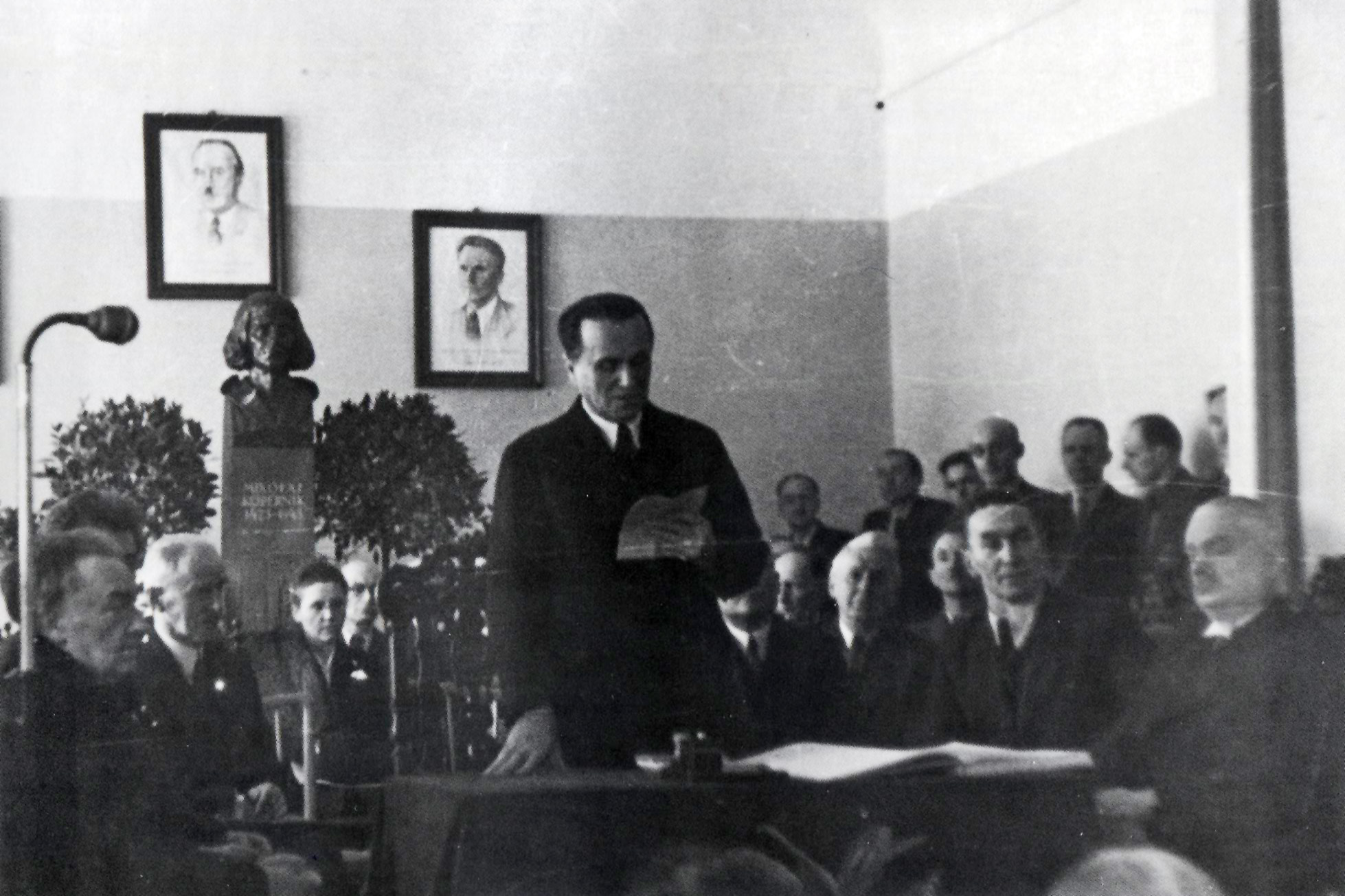
Despite the challenges imposed by the political and economic realities of post-war Poland, the University developed dynamically during its first years of existence. Buildings received from the city — often heavily damaged — including Collegium Maius and Collegium Minus, were renovated, and the first pavilions of the Astronomical Observatory in nearby Piwnice were constructed.
One of the greatest challenges facing the new institution was assembling its academic staff. Thanks to the efforts of Rector Ludwik Kolankowski, additional scholars joined the professors arriving from Vilnius and Lviv, including academics from Warsaw, Kraków, and Poznań. As a result, during the University’s first year of operation, the academic staff numbered more than 50 professors, making it possible to fill most academic chairs.
After only three years, studies at the University were offered in 22 study programs, and the number of students exceeded 3,100. Academic life flourished: conferences and congresses were organized, doctoral and habilitation proceedings were conducted, lectures for audiences outside the University continued, and the institution actively participated in the cultural life of the city.
The Stalinist Period and the October Thaw
The years 1949–1956 were among the most difficult in the entire history of Nicolaus Copernicus University in Toruń. As part of the implementation of the “socialist idea of the university” — in reality, the imposition of the Soviet model — higher education institutions were stripped of any self-governance, placed under strict political control, and subjected to the concentration of academic staff, particularly in the humanities and social sciences, in major central academic centers. At the same time, three-year vocational study programs (first-cycle studies) were introduced on a large scale.
The consequences of this policy proved disastrous for the Faculty of Law, which was dissolved in 1953, and for the Faculty of Humanities, where 12 out of 14 study programs were closed. Their equipment and painstakingly assembled library collections were transferred to other universities. In 1955, the University had only 1,176 students enrolled — the lowest number in its entire history.
The period of the October Thaw made it possible to reinstate professors who had previously been removed from their posts and to reopen some of the discontinued programs (in certain cases only temporarily), as well as to reactivate the Faculty of Law. At the beginning of the 1960s, educational opportunities for evening and part-time students were also introduced. As a result, after 20 years of existence, the University educated 4,800 students, setting a new record at the time.
In the early 1960s, international cooperation also intensified, particularly in the natural sciences, as reflected, among other things, in the first honorary doctorates awarded by the University to foreign scholars. The first honorary doctorate was conferred in June 1959 upon the Swedish astronomer Professor Bertil Lindblad.
The Copernican Year and the University’s Dynamic Development
The celebrations of the 500th anniversary of the birth of the University’s patron in 1973 marked a turning point for Nicolaus Copernicus University in Toruń in many respects.
The Copernican Year brought closer cooperation between the University and other academic institutions, both in Poland and internationally.
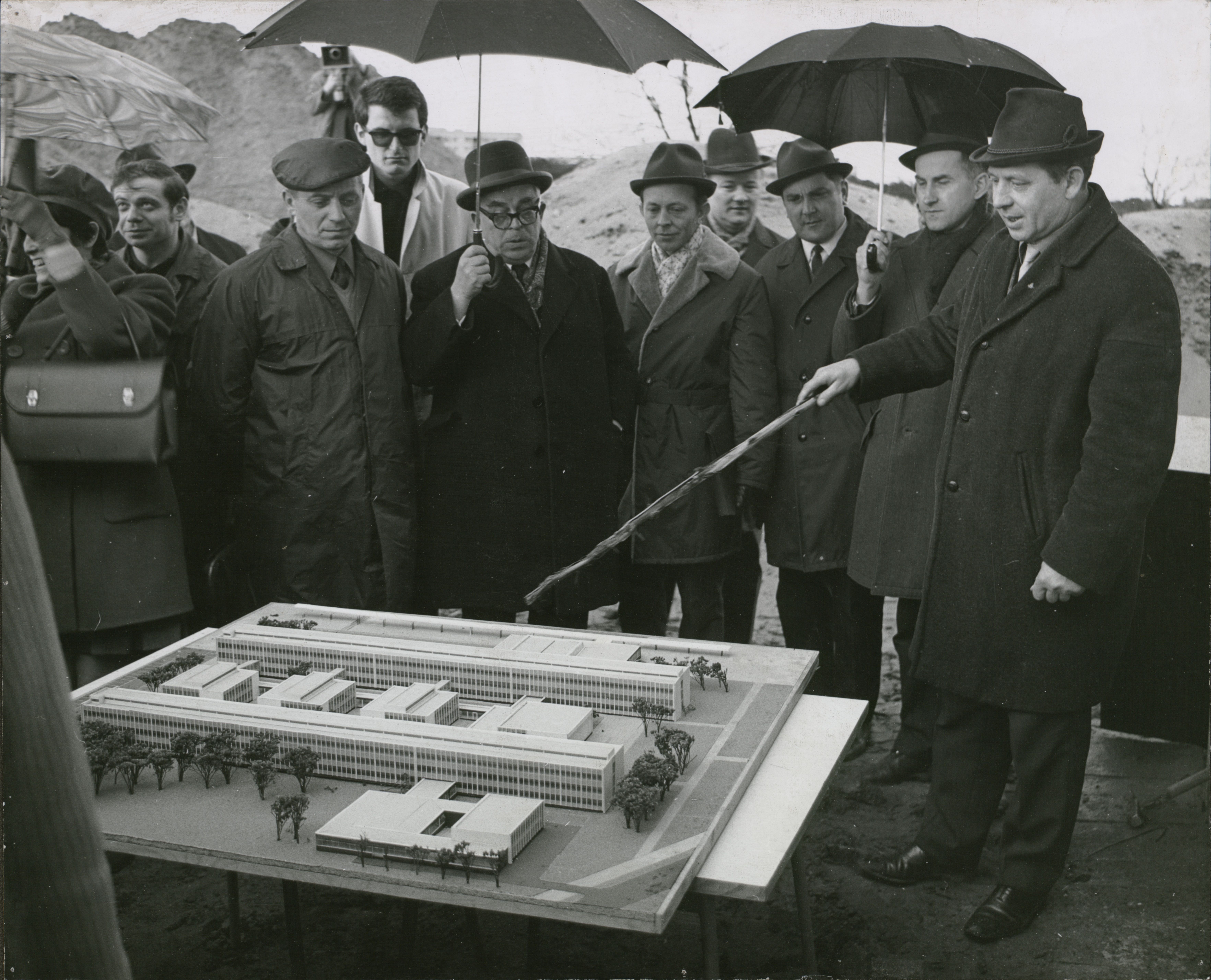
The culmination of the celebrations was the official opening of the Bielany university campus on 2 October 1973. In addition to the construction of the campus — including, among others, the Rector’s Office, the Aula, and the University Library — investments also covered the expansion of the radio astronomy center in Piwnice, where construction of the RT3 radio telescope was completed in 1977.
This period also saw a significant expansion of the University’s educational offer. In 1968, the Institute of Economics was established (transformed in 1978 into the Faculty of Economic Sciences). A number of new study programs were also launched, including German Philology (1972), Pedagogy (1973), Library and Information Science (1975), and Polish Archaeology (1976). At the same time, part-time and postgraduate study programs were further developed. As a result, the number of students grew rapidly, approaching 10,000.
The University on the Threshold of Political Transformation
The political and socio-economic transformations that took place in Poland after 1989 brought a significant expansion of autonomy for higher education institutions, while at the same time radically changing the principles of their operation, particularly in terms of financing — both for core activities and research work. Competition for funding, previously almost unknown, became a defining feature of academic life, opening up new opportunities for individual and team initiatives.
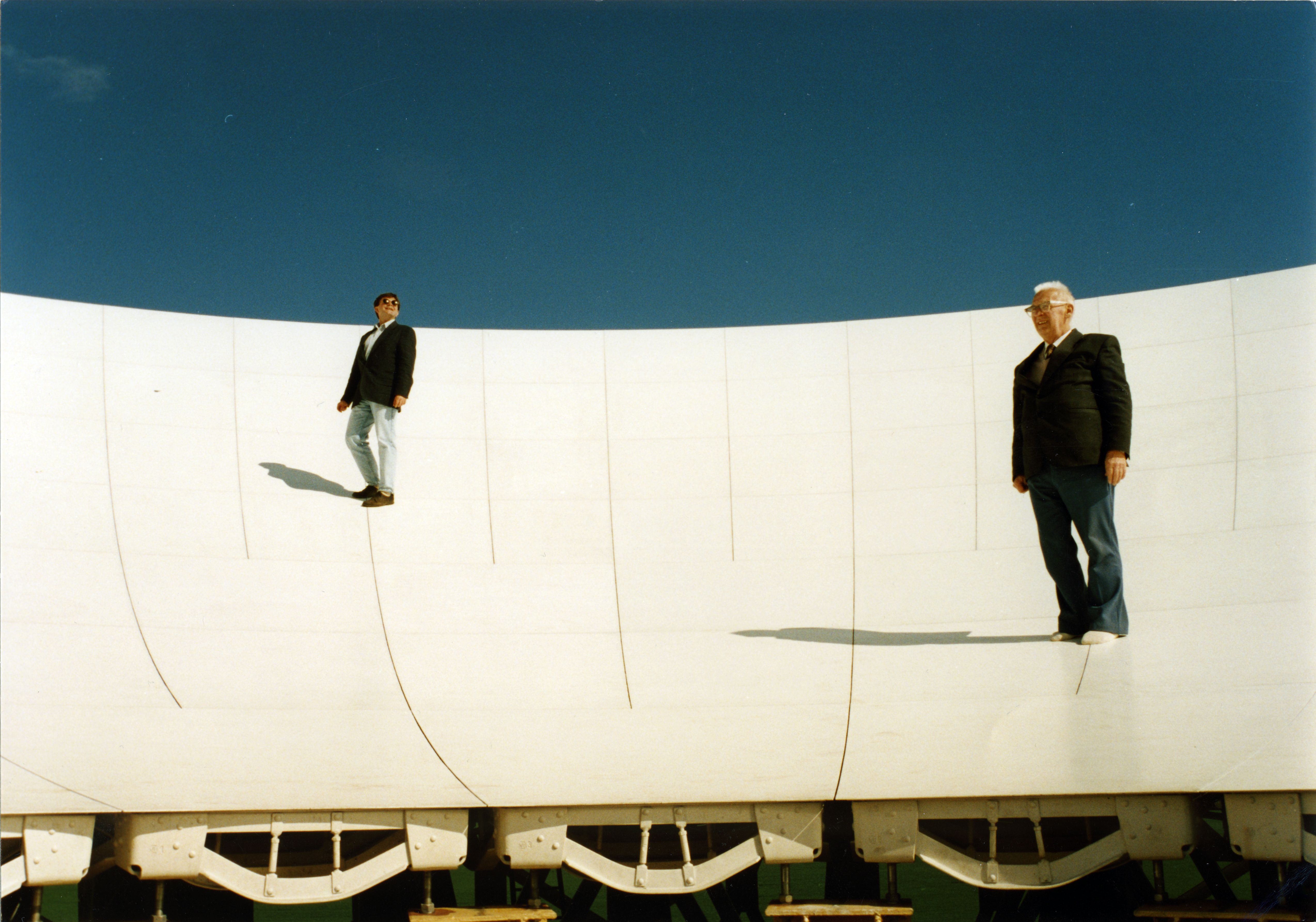
The University’s infrastructure was substantially expanded. Construction of the building of the Faculty of Economic Sciences and Management was completed. In November 1994, the RT4 radio telescope, with a diameter of 32 meters, was launched in Piwnice. It became the largest facility of its kind in Poland and one of the largest in Europe. During this period, the University also underwent computerization, and a fiber-optic network for the city of Toruń was created under the supervision of the University Centre for Network Technologies.
Significant changes also took place in the University’s organizational structure. In 1993, the number of faculties increased to nine. The former Faculty of Mathematics, Physics and Chemistry was divided into three new faculties: the Faculty of Chemistry, the Faculty of Physics and Astronomy, and the Faculty of Mathematics and Computer Science. At the same time, the Faculty of Historical Sciences emerged from the Faculty of Humanities. In 1997, the Centre for Astronomy was established within the Faculty of Physics and Astronomy, integrating the existing Institute of Astronomy with the Department of Radio Astronomy. Professor Aleksander Wolszczan, a member of the Polish Academy of Sciences, became the Centre’s Director. In September 1999, the University’s tenth faculty — the Faculty of Philology — began operating, created from the philological institutes and departments of the Faculty of Humanities.
Thanks to increased admission limits and the significant expansion of the educational offer to 31 study programs and 80 specializations, the number of students grew rapidly throughout the 1990s — from approximately 8,000 in 1990 to nearly 30,000 in 1998.

Under an agreement signed with the European Commission in Brussels in 1998, Nicolaus Copernicus University in Toruń began international cooperation within the SOCRATES/ERASMUS program. The University also joined numerous international research programs and concluded cooperation agreements with 40 research institutions in various countries.
NCU in the New Century
The establishment of the National Laboratory for Atomic, Molecular and Optical Physics in 2001 confirmed the University’s high academic standing. This inter-university research unit was created to enable world-class experimental research in atomic, molecular, and optical physics to be conducted in Poland.
A landmark event in the history of Nicolaus Copernicus University in Toruń was its merger with the Ludwik Rydygier Medical Academy in Bydgoszcz. Following approval by the Polish Parliament and Senate, the resolution incorporating the Medical Academy into the University came into force on 24 November 2004. The existing Faculties of Medicine, Pharmacy, and Health Sciences formed the Collegium Medicum of the University. In this way, in line with the vision of its founders, the University became a comprehensive institution modelled on pre-war universities.
The first years of the new century also brought intensive infrastructure development. In 2011, the Collegium Humanisticum building was opened, while the Faculty of Physics, Astronomy and Informatics was expanded to include the only Centre for Quantum Optics in Poland. In 2012, construction of the Interdisciplinary Centre for Modern Technologies was completed, featuring a unique functional magnetic resonance imaging (fMRI) scanner. In 2015, the Institute of Physics launched Poland’s first optical atomic clock, the most precise time-measuring device in this part of Europe.
In subsequent years, the University’s educational offer was expanded to include several key programs: Psychology, Veterinary Medicine, and Dentistry. Their establishment was followed by further development of the scientific and teaching infrastructure. In 2022, the Institute of Psychology moved into a new building, notably designed to a large extent by members of its own academic community. A year later, the Institute of Veterinary Medicine was opened, featuring, among others, a horse clinic, a small animal clinic, and facilities for farm animals.
Investments also covered the Bydgoszcz branch of the University, with the most important projects including the expansion of Dr Jan Biziel University Hospital No. 2 and the construction of the Centre of Dentistry

One of the most significant milestones in the University’s history was obtaining the status of a research university in 2019 as part of the Ministry’s “Excellence Initiative – Research University” competition. Only ten academic institutions in Poland were included in this elite group. Since July 2020, the University has also been a full member of the European consortium Young Universities for the Future of Europe (YUFE), significantly increasing opportunities for students to complete part of their education at partner institutions across Europe and to obtain a diploma recognized throughout the continent. The diploma confirms not only academic achievements, but also mobility, foreign language proficiency, professional training, acquired experience, and community volunteering.
Based on the publication Nicolaus Copernicus University – Information Guide.