Grants and Projects

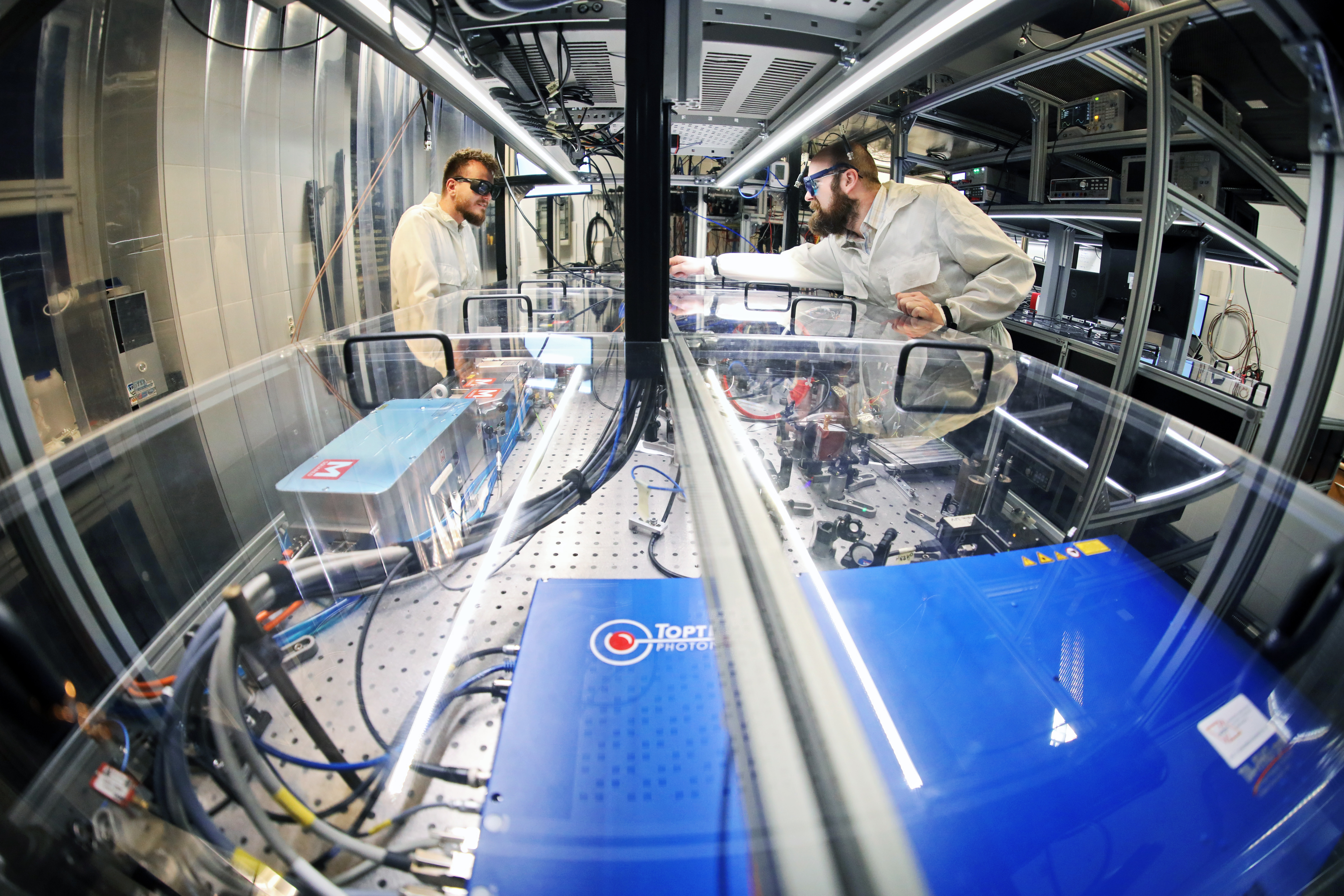
Scientists in a modern laboratory

Our researchers actively seek external funding, which enables them to carry out ambitious research projects. Their research contributes to the development of innovative solutions and has a tangible impact on the advancement of science and the world around us.

Projects Carried Out at Nicolaus Copernicus University

ERC Grants

High risk – high gain is the motto of the grants awarded by the European Research Council (ERC). Established by the European Commission in 2007, this independent funding body places scientific excellence at the heart of its evaluation process. ERC grants are open to researchers from around the world at all career stages who wish to conduct research within the European Union. The traditional distinction between basic and applied research is of little importance to ERC evaluators. Instead, funded projects are expected to be pioneering, curiosity-driven, and capable of pushing beyond the current frontiers of knowledge.

ERC grants are among the most prestigious distinctions in science. They provide not only substantial financial support but also a globally recognized mark of research excellence. Researchers from Nicolaus Copernicus University have also earned this distinction.

Prof. dr hab. Piotr Wcisło 

Prof. Piotr Wcisło from the Institute of Physics at the Faculty of Physics, Astronomy and Informatics of NCU was awarded an ERC Starting Grant 2022 for the project “New Experimental Methods for Trapping Cold Molecular Hydrogen.” The grant was worth approximately €1.9 million.

The project's main objective is to develop methods for trapping hydrogen molecules (H₂) in a vacuum chamber using extremely strong laser and magnetic fields. This will allow researchers to study the simplest molecule found in nature with unprecedented precision.

The project is of fundamental importance to quantum physics. It will enable highly precise tests of the predictions of quantum electrodynamics (QED) and the Standard Model, help identify the limits of current physical theories, and open new avenues for the search for so-called New Physics—phenomena that cannot be explained by existing models.

Prof. Wcisło emphasizes that the project requires the creation of an entirely new configuration of ultra-precise lasers and electromagnetic fields that will form a unique “trap” for hydrogen molecules. If successful, the experiment will make it possible to conduct quantum studies at a level of precision previously unattainable for molecular systems.

Learn more
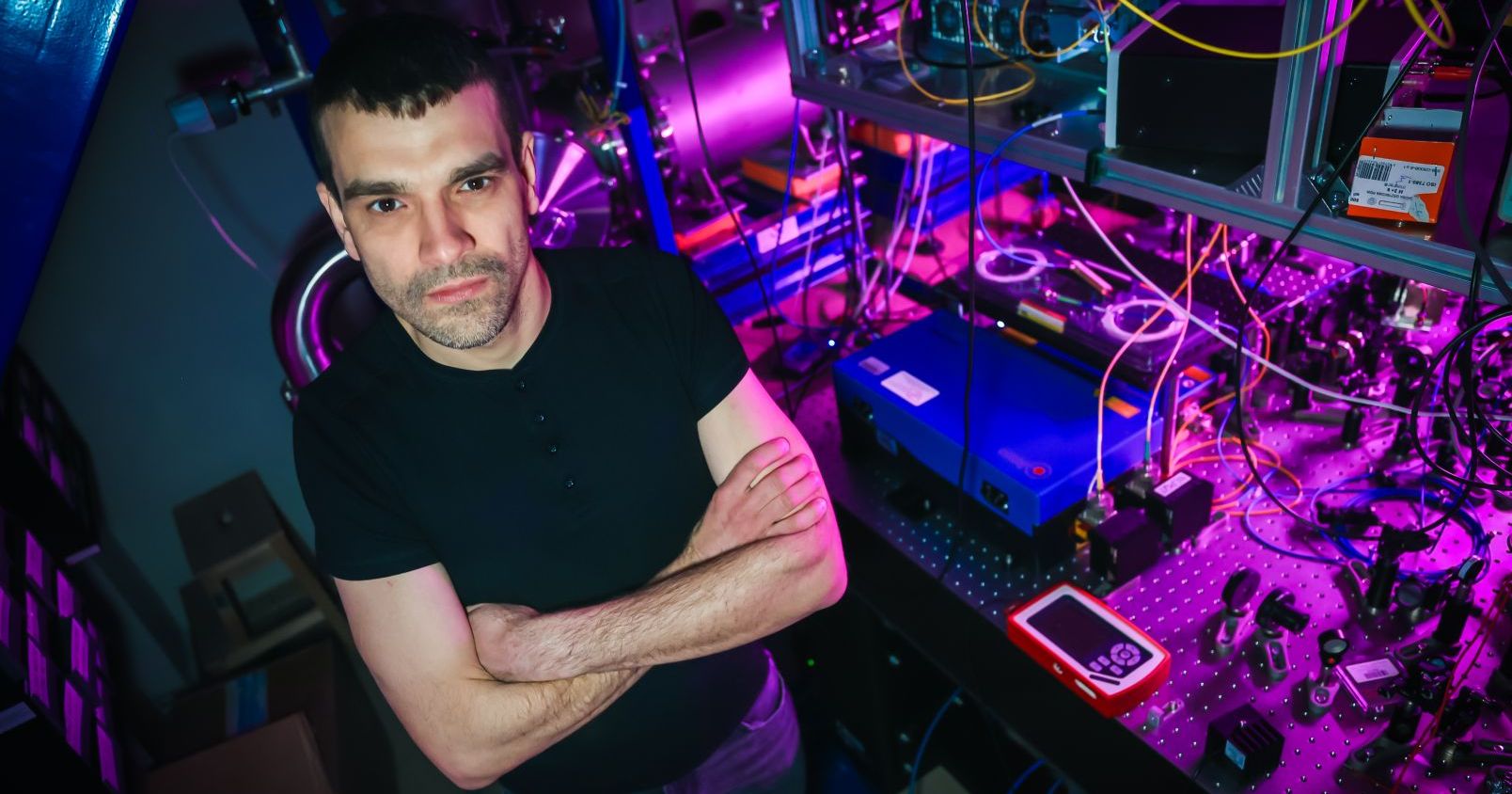
Piotr Wcisło against a backdrop of modern equipment

Prof. dr hab. Katharina Boguslawski 

Prof. Katharina Boguslawski from the Institute of Physics at the Faculty of Physics, Astronomy and Informatics of NCU was awarded an ERC Starting Grant 2022 for the project “Devising Reliable Electronic Structure Schemes through Eclectic Design.” The grant was worth approximately €1.2 million.

The aim of the project is to develop new methods in quantum chemistry that will enable more accurate descriptions of electron behaviour in molecules and materials, particularly in strongly correlated electronic systems, where current computational approaches are often insufficient or computationally expensive.

The project combines various theoretical and numerical approaches to create modelling methods that are more reliable, faster, and easier to use. The research is expected to support the design of new materials, catalysts, and chemical compounds with desired properties.

An important aspect of the project is the development of open-source quantum chemistry software and the automation of complex analyses, making advanced computational tools more widely accessible to the scientific community.

Learn more
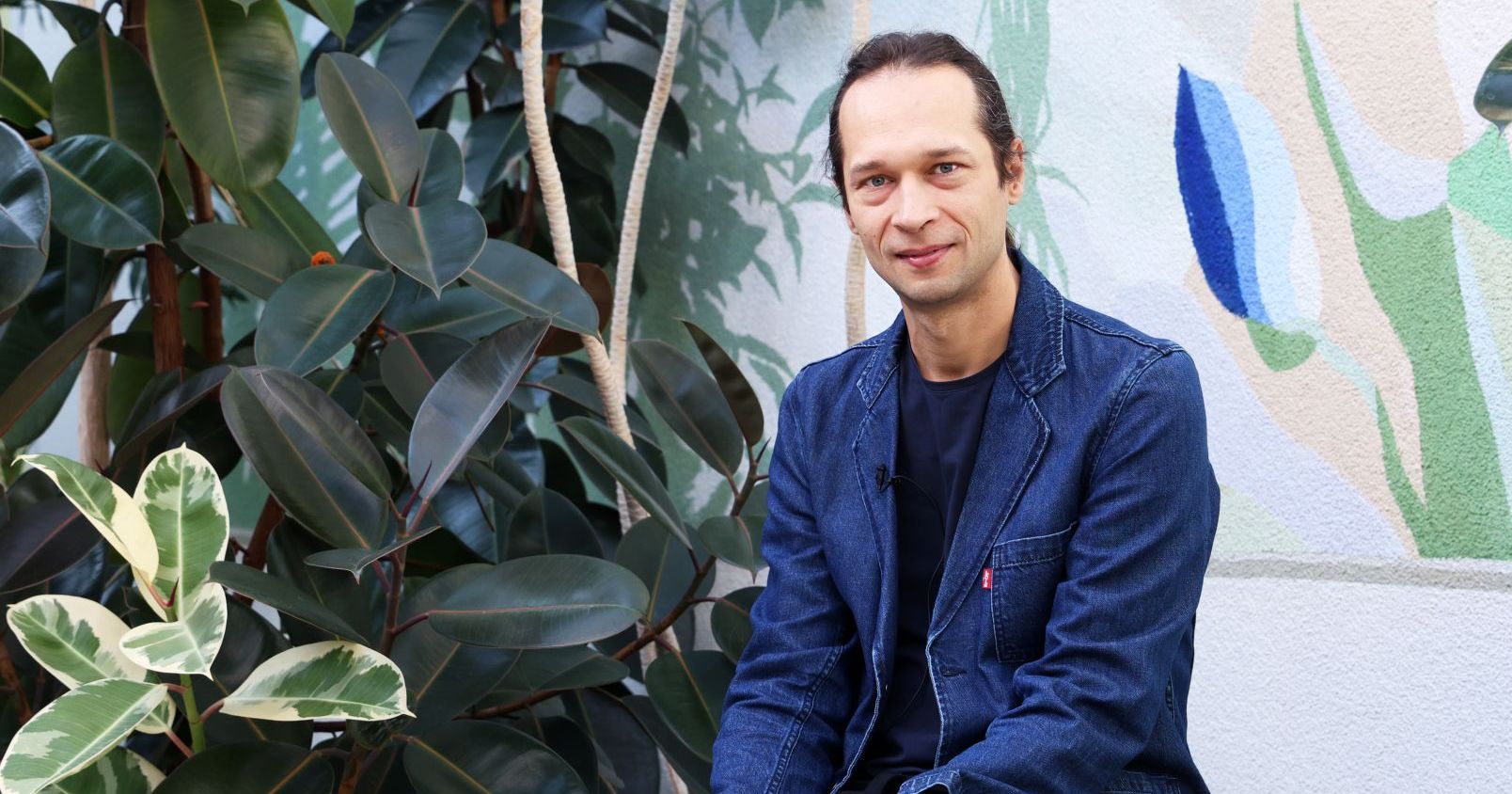
Katharina Boguslwaski sitting in her office

Prof. dr hab. Adam Izdebski

Prof. Adam Izdebski from the NCU Centre for Advanced Studies was awarded an ERC Synergy Grant 2024 for the project “Rethinking the Role of Pandemics (1300–1800): History, Natural Sciences, and Machine Learning.” The grant is worth approximately €10 million, making it one of the largest research grants ever awarded to Polish scientists.

The project seeks to explain why the same epidemics produced radically different social and biological outcomes across different places and historical periods.

Led by Prof. Izdebski, the research team studies pandemics in pre-industrial Europe by combining history, archaeology, biology, climate science, and machine learning. The researchers investigate the influence of factors such as war, famine, climate change, trade, population structures, and the coexistence of multiple pathogens on the course of epidemics. The project covers dozens of historical outbreaks across numerous regions of Europe.

The ultimate goal is to develop a new framework for understanding pandemics, demonstrating that their consequences are shaped not only by pathogens themselves but also by broader environmental and social contexts. In the future, the project's findings may contribute to improved forecasting of emerging pandemics and societal responses to epidemic threats.

Adam Izdebski